The Theatre of Cruelty (Theater of Cruelty)
Casino Luxembourg
15 November 2025 – 8 February 2026
Curator : Agnes Gryczkowska
‘The Theatre of Cruelty’, the exhibition curated by Agnes Gryczkowska at the Casino Luxembourg, makes explicit reference to the title of Antonin Artaud’s eponymous work. The curator acknowledges having been struck by the power of his literary works, the incandescence of his writings and theatrical productions; many directors and artists of all stripes have admitted to feeling the same way. The Polish curator is one of a long line of admirers of Artaud, who continues to make an impression seventy-seven years after his death. While references to Artaud and revivals of his plays have been legion, exhibitions based on his thinking are much rarer. Gryczkowska’s proposal for the Casino attempts to embody the translator of Lewis’s The Monk, bringing together works that resonate with his historiography, as well as archives from various sources and contemporary works that revisit Artaud’s spirit by updating his vision.
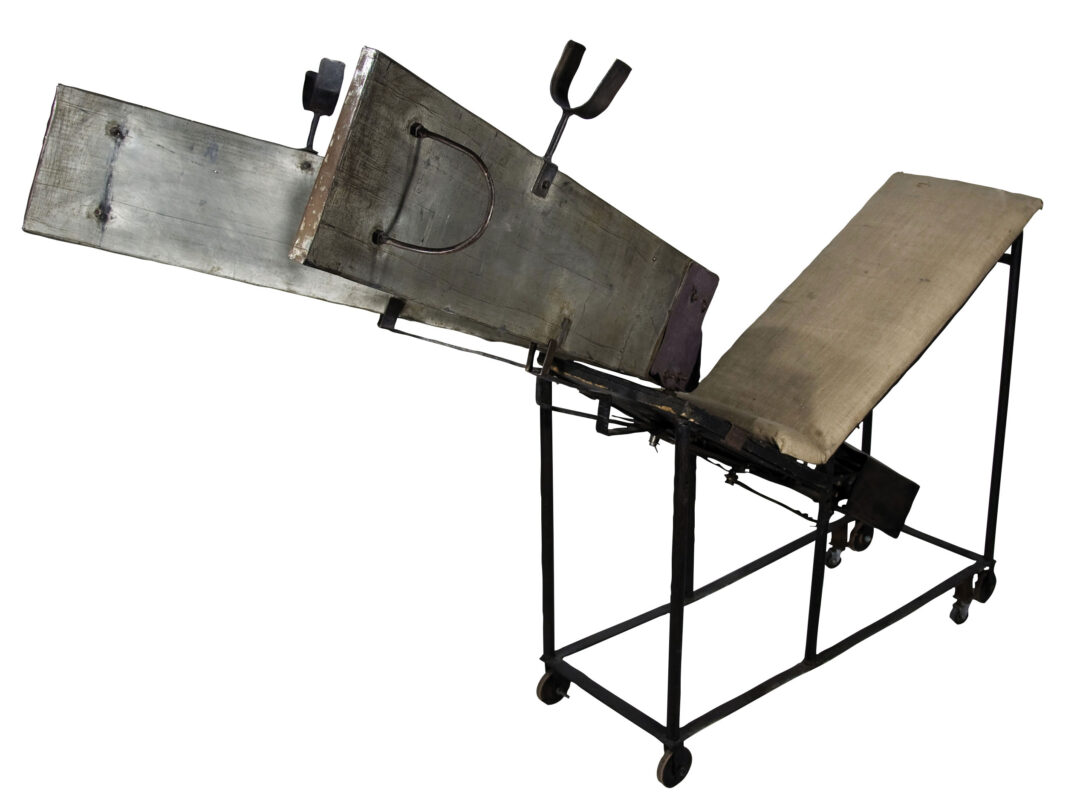
How can the intensity of Artaud’s theatre be conveyed through an exhibition of visual arts, which by definition is distinct from live performance? To tackle the monument that is Artaud is to confront the difficulty of conveying something that appeals to all the senses, where the visual does not necessarily predominate; but it also means grappling with an extreme radicalism, an absence of concessions that the author of The Theatre of Cruelty always wanted to stage, or rather wanted to take off the stage, so that it would strike the viewer’s consciousness with full force, lodging itself in their very physicality. For Artaud, cruelty has nothing to do with sadism but more with feeling, pure emotion, and more particularly pain, the ontological condition of humanity. To achieve this and attempt to convey the intensity of Artaud’s gesture, the curator adopted a strategy of encirclement, multiplying approaches to try to bring the intensity of the scene to life. First, she had a large black curtain installed around the exhibition, which visitors must pass through in order to wander among the works on display. This first device re-enacts the theatrical aspect, accentuated by subdued lighting that lends solemnity to the whole and places the viewer in a contemplative mood. Once we have passed through this passage, which is as symbolic as it is effective in form, we are confronted with the first works: the two paintings by the artist Pan Daijing immediately plunge us into the heart of the theatrical subject and, above all, into what the practice of the stage produces on actors when this practice is intended to be total: the graffiti and other marks left by the artist on these two events are traces of his movements and signs of feelings that we can guess to be jarring, syncopated, broken, interrupted. More than long speeches, they bear witness to the trance-like state into which the actor, like Artaud, can immerse himself. These two paintings provide a passageway allowing us to access rare manuscripts by Antonin Artaud: there is something religious about the presentation of these manuscripts, whose writing resonates with the previous work. But it is above all the drawings that unambiguously express the poet’s fever in these figures of dislocated puppets, which inevitably bring to mind the famous body without organs, the body freed from its ‘mechanical’ functions, which has been the subject of numerous commentaries and developments, not least those of Deleuze and Guattari in L’Anti-Œdipe. Alongside these precious works by the writer, strange, repulsive-looking objects plunge us into an unsettling atmosphere: these are the stage machines that the great Polish director Tadeusz Kantor, himself a great admirer of Artaud, used as props for his productions: in addition to an oversized criter trap, a disturbingly crude delivery table evokes the torments of ‘labour’, just as the former referred directly to the suffering of animals. There we have it: the evidence of pain is materialised in these instruments of torture and brings us closer to Artaud’s sensibility. The latter reappears in a more subtle way in the work of French artist Liza Lacroix, whose paintings seem to exude the crimson of her own blood.
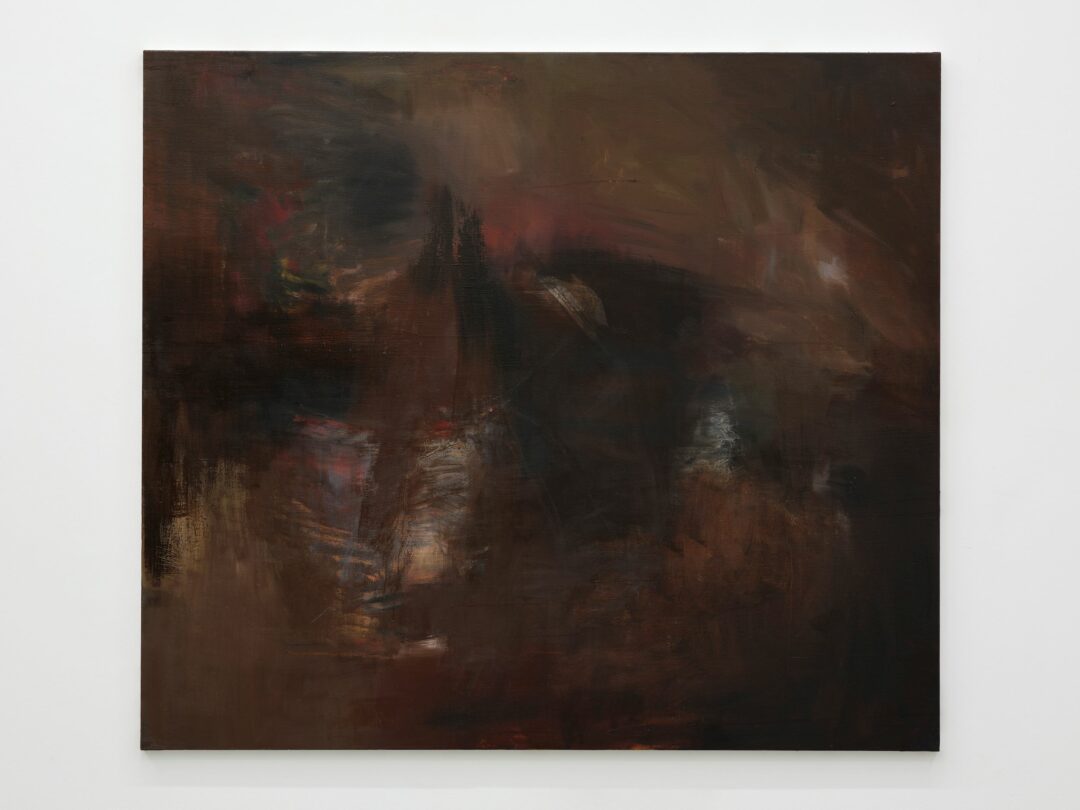
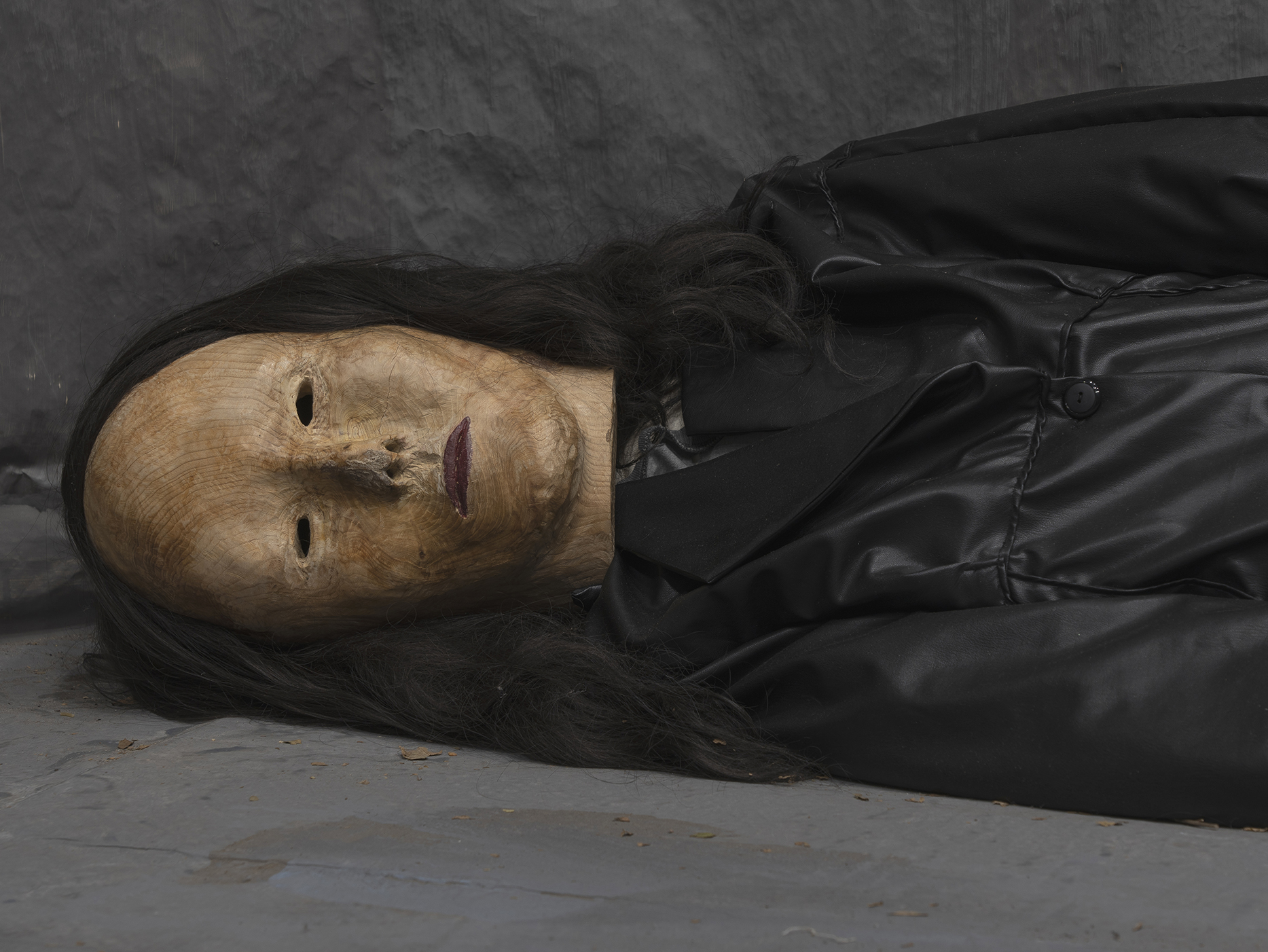
The extreme expressionism of her explosively pigmented paintings contrasts with Michel Nedjar’s dark dolls, like petrified mummies harbouring unbearable stories of existence. But to stay as close as possible to the intensity of Artaud’s theatre, it was difficult to ignore some of his closest followers. A series of monitors arranged in a circle show excerpts from Romeo Castellucci’s performances; the Italian artist, who studied fine arts, is certainly the most faithful descendant of the Frenchman, whose influence can be seen here in most of the elements: the intensity, the experimental aspect, the use of homemade props, the radicalism and, of course, the transcendence of language in favour of the presence of bodies, in productions that have sometimes been considered outrageous and provocative. It could be said that Castellucci has gone even further than Artaud’s theatrical approach in that, unlike his illustrious predecessor, he has imagined a stage in motion that does not shy away from borrowing from other disciplines and is not hampered by preconceptions about the audience, seeking most of the time to shake them up both physically and morally. The performances of Angélique Aubrit & Ludovic Beillard are thoroughly disturbing; they immerse us in gloomy worlds populated by staggering zombies, demoralised to the extreme: the duo’s characters, always wearing their heavy wooden masks, wandered through a labyrinth specially created for the exhibition, accentuating the nightmarish aspect of the installation with a deliberate claustrophobic effect. As self-confessed admirers of Artaud, the two young artists offer us an update of his theatre, referring us to a fierce daily life where those left behind by globalisation rub shoulders with the desperate members of our affluent society. To round off this attempt to define and update the French writer’s thinking, the exhibition offers us a surprising video by Ed Atkins in which a disturbingly perfect digital double
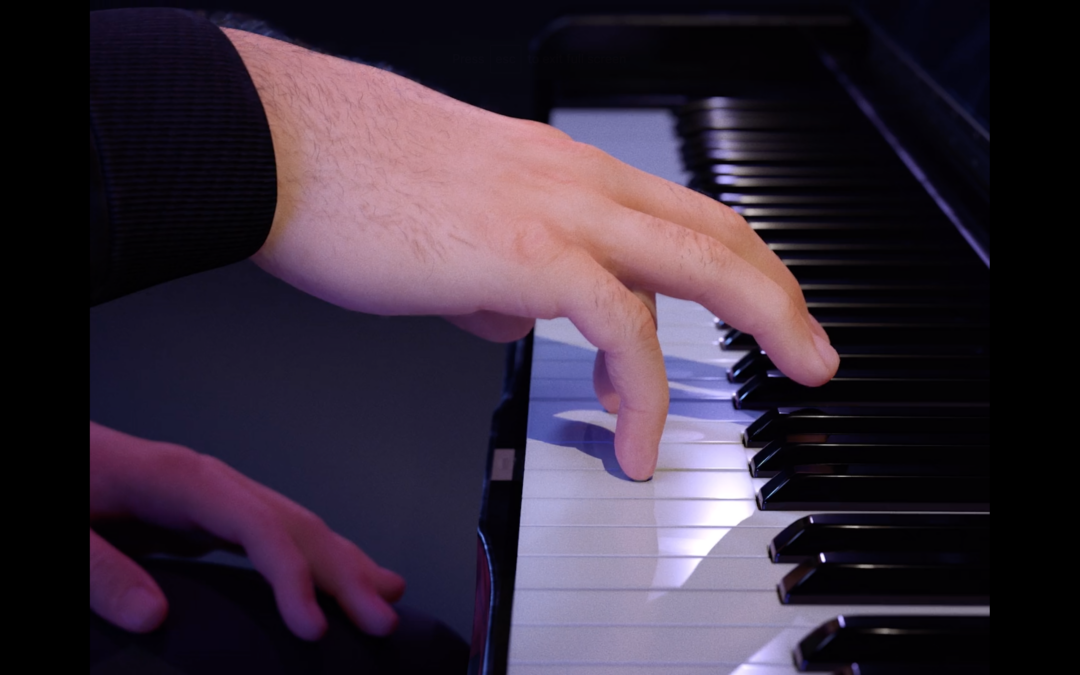
performs a piece by Jürg Frey on the piano, Klavierstück II, consisting of a single note repeated ad nauseam, a relentless session in which the viewer’s discomfort seems to be measured against the artist’s consubstantial pain.
Head image : Angélique Aubrit & Ludovic Beillard.
- Share: ,
- By the same author: Vanessa Theodoropoulou, Chris Sharp,
Related articles
Interview with Perrine Lacroix
by Mya Finbow
Interview with Camille Richert and Clémence Agnez
by Clémence Agnez
Vanessa Theodoropoulou
by Patrice Joly