Biennale Son
Second edition of the Biennale Son
Valais, Switzerland
August 30 — November 30, 2025
Curated by Jean-Paul Felley, director of the Biennale Son, and Maxime Guitton, associate curator for 2025
The second edition of the Biennale Son, currently being held in Sion, Martigny, and various locations in the canton of Valais in southern Switzerland, further affirms the international scope of this ambitious event, which uses sound in all its dimensions as a prism through which contemporary art engages with space, heritage, and the issues of our time. Curated by Jean-Paul Felley, director of the event, and Maxime Guitton, music historian and associate curator, this edition continues the momentum of its first occurrence in 2023, while expanding its spatial and temporal scope. Since its launch, the Bienniale Son (Sound Biiennal) has established itself as a bold event, driven by the desire to make Valais an epicenter of contemporary sound art. This new edition, which spans three months and takes place in twenty-three venues—compared to seventeen in the first edition—confirms this desire to forge an organic link between Valais’ heritage and the most innovative artistic practices. In Sion, the beating heart of the event, La Centrale, a former hydroelectric power plant converted into a cultural venue, embodies this encounter between industrial history and contemporary creation. This modernist building, described by Jean-Paul Felley as an “industrial cathedral,” becomes a space of resonance in which the works are inscribed in a raw materiality, amplifying their sensory impact.
Focus 1: Soundwalk Collective (Stephan Crasneanscki et Simone Merli)
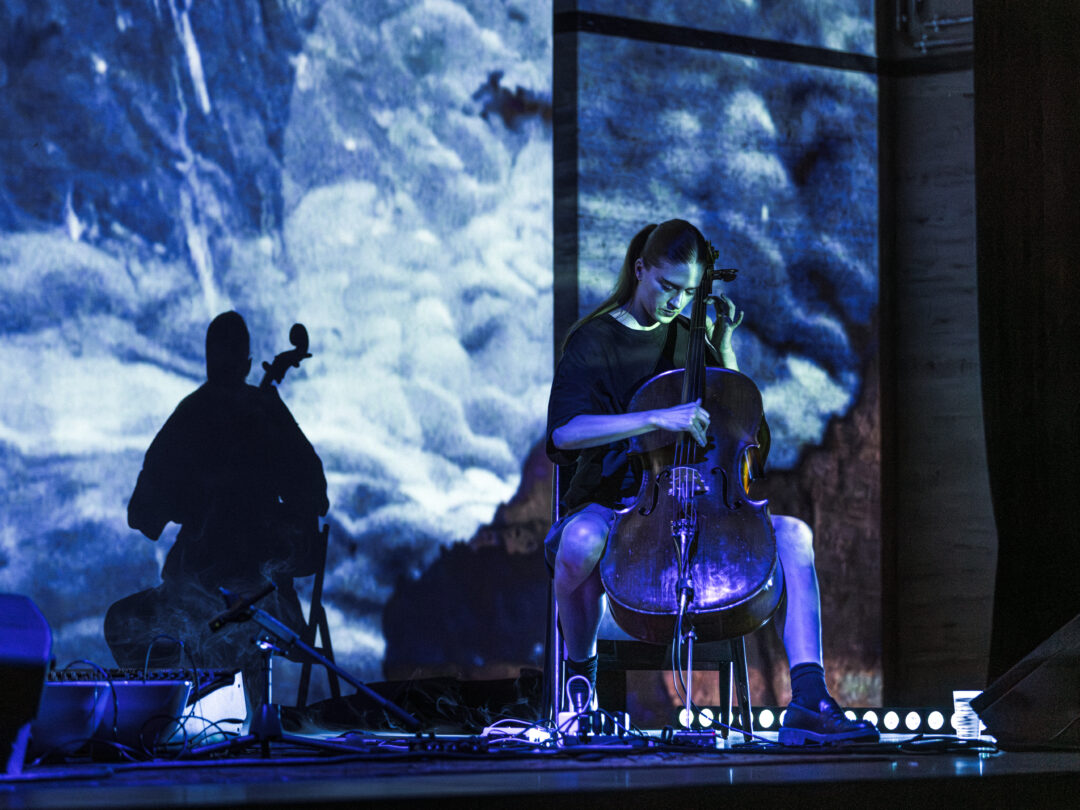
An immersive sound installation that stands out for its environmental and poetic ambition, Soundwalk Collective’s Invisible Landscape is being presented in a world premiere at La Centrale. The work is based on a montage of field recordings, music, and voices, evoking melting glaciers and ecological collapse, from Greenland to Latin America. With notable contributions from figures such as Charlotte Gainsbourg, Jim Jarmusch, and Willem Dafoe, the installation weaves a dialogue between sound art, poetry, and environmental engagement. It creates a contemplative sensory experience, in which sounds captured in changing natural environments intertwine with musical textures and narrative voices. This approach lends emotional depth, reinforced by the resonance of the chosen locations, notably the former Chandoline hydroelectric power station, which amplifies the industrial and fragile atmosphere of the installation. A powerful work, Invisible Landscape invites urgent reflection on our relationship with the planet, while exploring the frontiers of contemporary sound art.
The duo also presents Opération Béton, a bold reinterpretation of Jean-Luc Godard’s first documentary film, made in 1955 on the construction site of the Grande Dixence dam. Produced especially for the Biennale Son, this hybrid creation combines Godardian sound archives, field recordings, and contemporary compositions to offer a meditation on human labor and the monumentality of concrete in the Valais landscape. The installation creates a remarkable dialogue between the past and the present: the raw sounds of the construction site, captured with an almost tactile intensity, blend into a modern sound texture that amplifies the poetic and political dimension of the original work. Godard’s voice, taken from the archives, adds a layer of intimacy, like an echo of his rebellious youth. This work, at the crossroads of film history and sound art, captivates with its ambition and its territorial roots. It is a vibrant tribute to the genesis of a visionary filmmaker and to the power of sound as memory.
But the biennial is not limited to Sion. In Martigny, the Manoir de la Ville is hosting “Erratum Musical,” a jubilant exhibition conceived from the musical section of the Musée des Erreurs by its founder, French artist, critic, and publisher Pierre Leguillon. The exhibition, which combines works from the collections of the Centre Pompidou, the Musée du Son in Martigny, and the Musée des Erreurs, is a carte blanche offered to the artist, who proposes an archaeology of sound, exploring, through a collection of modest objects structured around Stan Douglas’s video installation Hors-Champs (1992), the notions of error and accident understood as drivers of creation. At the crossroads of archive and performance, it embodies the curatorial ambition of the Biennale, which uses sound as a tool for critical reflection on art history and its margins. Other venues, such as the Fondation Opale in Lens, with a performance by Aboriginal artist Latai Taumoepeau, and the Musée valaisan des Bisses in Ayent, with the exhibition-performance Buloklok (2022) by Japanese artist Tomoko Sauvage, enrich this artistic cartography, making Valais a testing ground where sound transcends geographical and cultural boundaries.
Focus 2: Pauline Boudry & Renate Lorenz
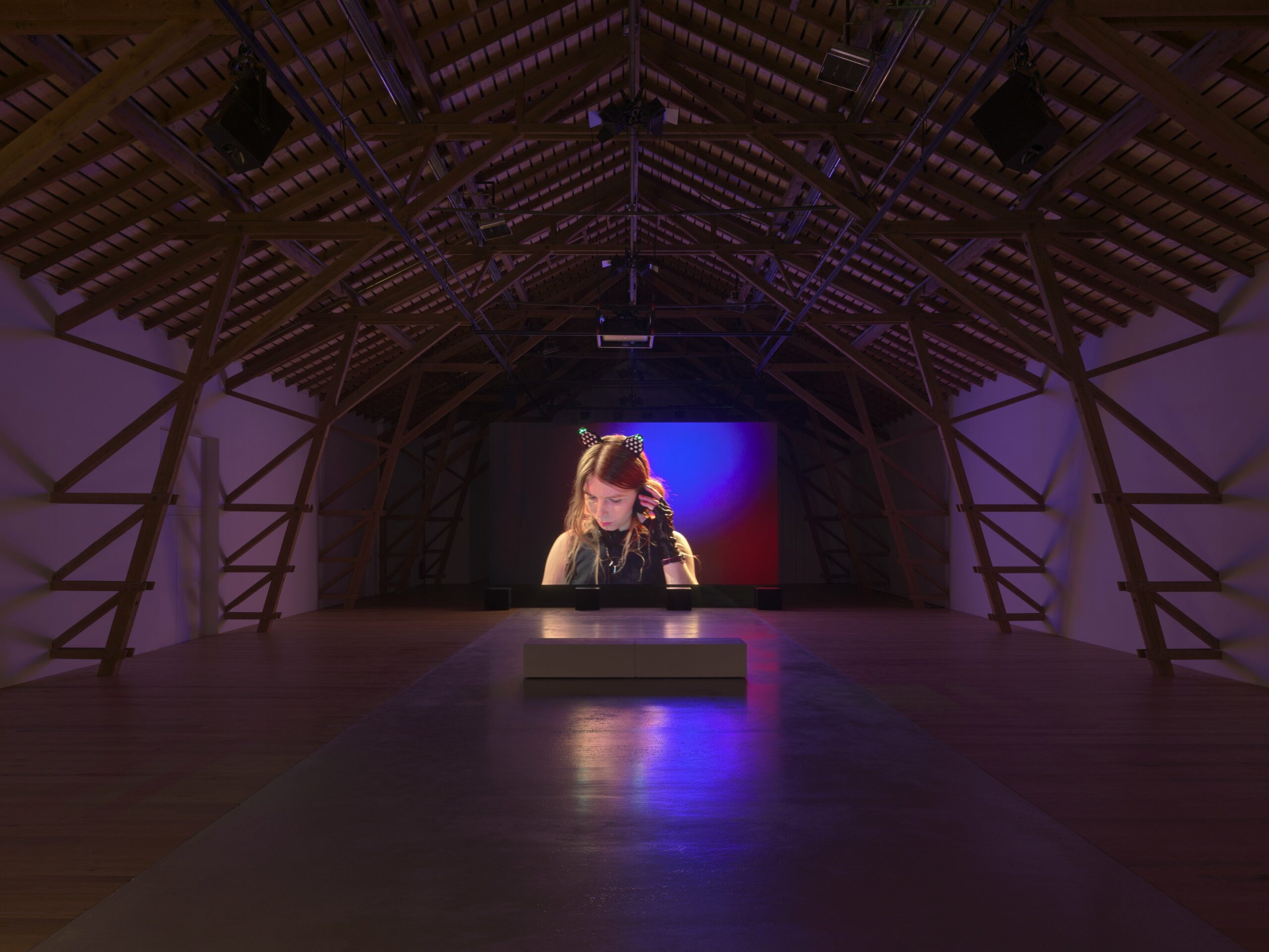
At the Ferme-Asile, an artistic and cultural center in the heart of Sion, the exhibition “Always Night” by Pauline Boudry & Renate Lorenz transforms the Berlin queer club SchwuZ, emptied of its dancers, into a sound space in which Chelsea Manning, an icon of dissent, weaves a DJ set of house and techno. The film installation, titled All The Things She Said, captured by a mosaic of microphones, turns sound into a material of resistance in which vibrating bass and ghostly echoes invoke an absent community. The work, rooted in the duo’s “queer archaeology,” challenges conservative norms with subversive pleasure. This polyphony transforms listening into communion. “Always Night” fills Sion with a song of freedom, where night becomes a refuge for rebellious identities.
The event stands out for its rejection of disciplinary boundaries. With more than 108 artists, duos, and collectives, 56 concerts and performances, and 22 works created or adapted specifically for the event, it offers an immersive experience that navigates between sound installations, performances, films, sculptures, and silent works in which sound is suggested. This pluralistic approach reflects a subtle understanding of sound art, not as a niche, but as a cross-disciplinary medium capable of questioning our relationship with the world. Among the highlights is the sound installation Invisible Landscape by Soundwalk Collective, presented in a world premiere at La Centrale and designed for the main hall and control room, which combines sound art, poetry, and ecological commitment, questioning environmental collapse through a spectral composition. At the Ferme-Asile in Sion, Pauline Boudry & Renate Lorenz’s All The Things She Said (2025) approaches music as a means of survival by staging activist Chelsea Manning in the empty Berlin queer club SchwuZ, where she performs a DJ set. The work explores sound as a vehicle for queer resistance and pleasure in the face of repression. The performance Sisters! by Winter Family, presented at the opening at Notre-Dame Cathedral in Sion, combining organ and voice, and Lucy Railton’s concert Blue Veil at La Centrale, demonstrate the Biennale’s ability to take over heritage sites and fill them with contemporary sounds. These moments, in which sound dialogues with architecture, create immersive experiences that redefine our perception of space.
Focus 3: Ugo Rondinone
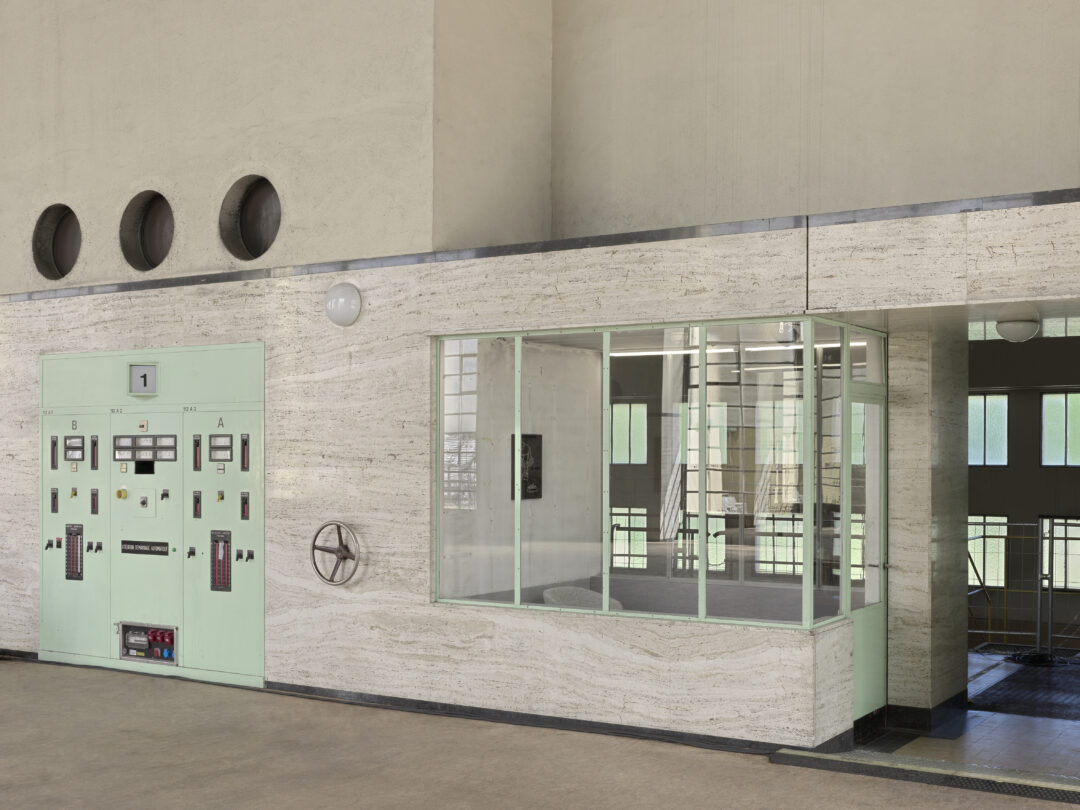
In one of the glass-walled spaces at La Centrale, which Jean-Paul Felley had the good idea of transforming into listening booths, Ugo Rondinone’s 1998 (1998-2025) resonates like a vibrant funeral dirge. This piece, a song composed from Rondinone’s encounters in Zurich in 1998 with homeless people living with HIV—all named Hugo, like so many doubles of the artist—weaves a fragile link between memory and matter. The sound, deep and melancholic, inhabits the industrial listening space, summoning the voices of the invisible in a gesture of “sensitive archaeology.” This alchemy, in which sound becomes memorial, is deeply moving. In Sion, 1998 transforms La Centrale into a sanctuary of memory in which each note sings of the dignity of the forgotten. The sound piece is accompanied for the occasion by a new edition of the artist’s diary from that year.
The international scope of the Sound Biennial is affirmed in this second edition through an unprecedented collaboration with the Centre Pompidou. By lending major works for “Erratum Musical” and supporting projects such as Philippe Quesne’s Les Insomniaques (2025), a new installation based on his play without actors Fantasmagoria (2022), the Centre Pompidou anchors the Biennale in a global network of contemporary art. This openness is also reflected in the Vinyl Art Fair, a first organized by Sara Serighelli and Fabio Carboni, which explores the vinyl record as an artistic medium, as well as in new works by Christian Marclay, Ugo Rondinone, and David Horvitz, the latter of whom has created an artist’s book, Call to a Crow, Leporello presenting a collection of short poems written for the first edition of the Biennale Son.
Focus 4: Philippe Quesne
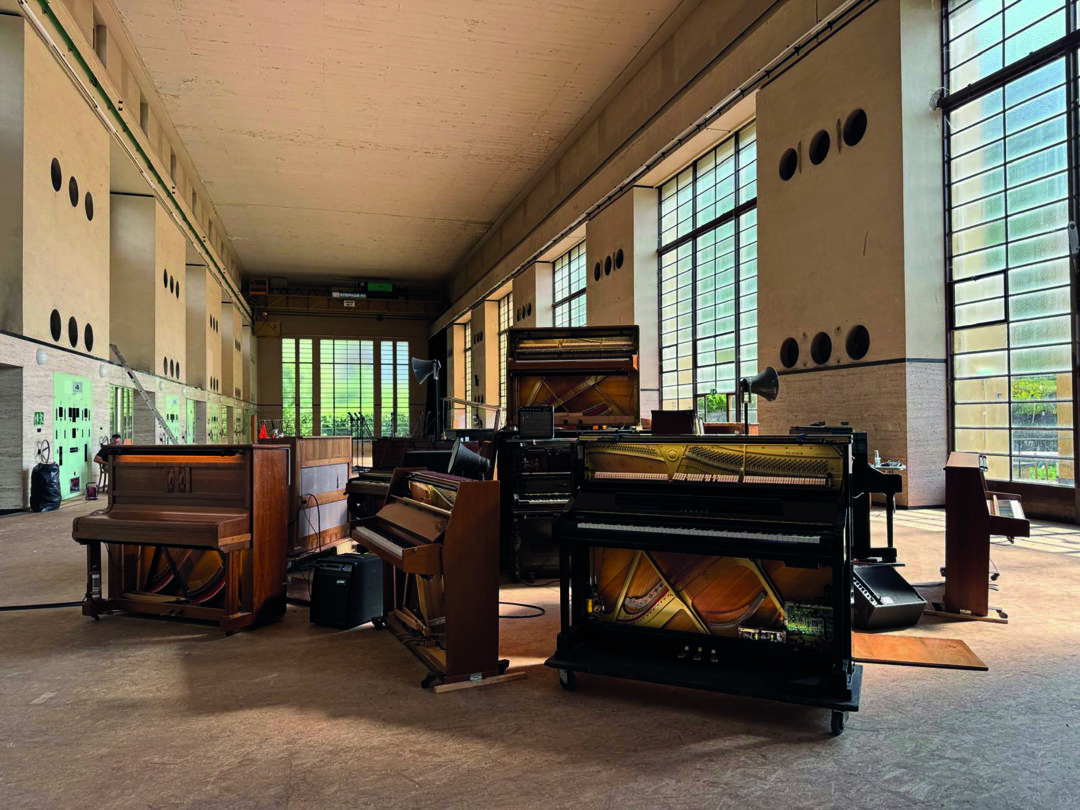
In Les Insomniaques, Philippe Quesne, faithful to his theater of objects and atmospheres, revisits his play Fantasmagoria (2022) to create a sound and visual installation of strange delicacy. At the crossroads of the spectral and the concrete, this creation, co-produced with the Centre Pompidou and the Théâtre Vidy-Lausanne, unfolds a cabinet of curiosities in which out-of-tune pianos play a melancholic score. In this poetics of the obsolete, emblematic of Quesne’s universe, each object, each sound—a creak, a breath, a dissonant note—seems to whisper a memory on borrowed time, questioning our relationship with the invisible. La Centrale, a converted former factory, amplifies this hermeticism between the raw and the ethereal. Quesne, a magician of the little things, offers an introspective reverie. Les Insomniaques is a fragile and captivating meditation on time and loss, in which sound sculpts space with the precision of a goldsmith. This experience, both precious and disconcerting, invites us to listen to the echo of things that are fading away.
The strength of the Biennale Son lies in its ability to bring renowned artists into dialogue with local institutions, while promoting lesser-heard voices, such as that of Latai Taumoepeau or emerging artists from EDHEA[1]. The emphasis on sound as a medium allows for the exploration of major contemporary themes, such as ecology (Invisible Landscape by Soundwalk Collective, implicit in several performances), decolonization (Latai Taumoepeau), and collective memory (Sisters!), with a rare sensitivity. This critical dimension gives the event a depth that transcends mere spectacle, making sound a tool for reflection on the world. The choice of venues such as the former penitentiary in Sion or the Church of Saint-Nicolas in Hérémence, a major work of modern architecture in Switzerland and a testament to the brutalist movement, amplifies this resonance, transforming historic spaces into stages for contemporary creation. This second edition of the Sound Biennial has succeeded in its aim of making the Valais vibrate to the rhythm of contemporary art. By exploring sound as a vehicle for meaning, it does not merely present works, but invites us to listen to the world in a different way, to hear the silences, mistakes, and echoes that compose it. With its international ambition and local roots, this second edition confirms that the Sound Biennial is set to become an unmissable event, transforming Valais into an open-air sound laboratory.

Focus 5: Former Sion Penitentiary
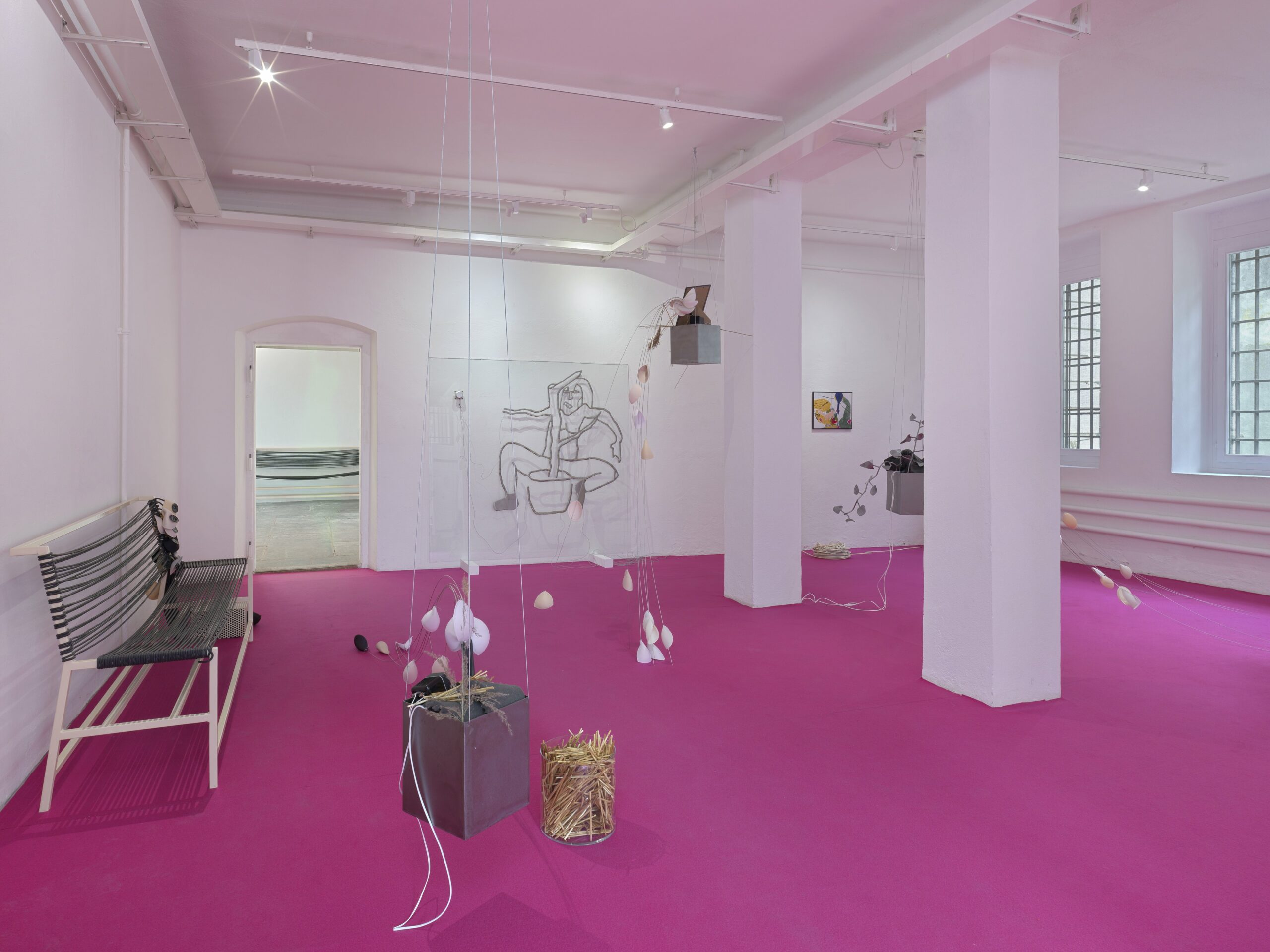
At the Penitentiary—a space steeped in history and converted into an exhibition venue—the works on display resonate with a singular intensity, dialoguing with the prison architecture and its past. This place, marked by the austerity of its cells and the rigor of its Art Deco lines, becomes a setting where sound sculpts space and memory. “How do we bite, why do we bite, and who do we bite?” wonders Anne Le Troter, whose sound installation opens the exhibition by inviting visitors to bite the four pieces that compose it in order to activate them, all of which fits perfectly with the oppressive and resonant atmosphere of this former prison. The works on display, often minimalist, play on the tension between confinement and sonic liberation, as in the interventions by Alessandro Bosetti and Noémi Büchi, present in other venues but adapted here, which explore acoustic textures that seem to haunt the walls, transforming the former prison into an instrument in its own right. The sounds, sometimes imperceptible, sometimes abrasive, question the materiality of confinement and invite introspective listening.
Focus 6: Catherine and Nicolas Ceresole
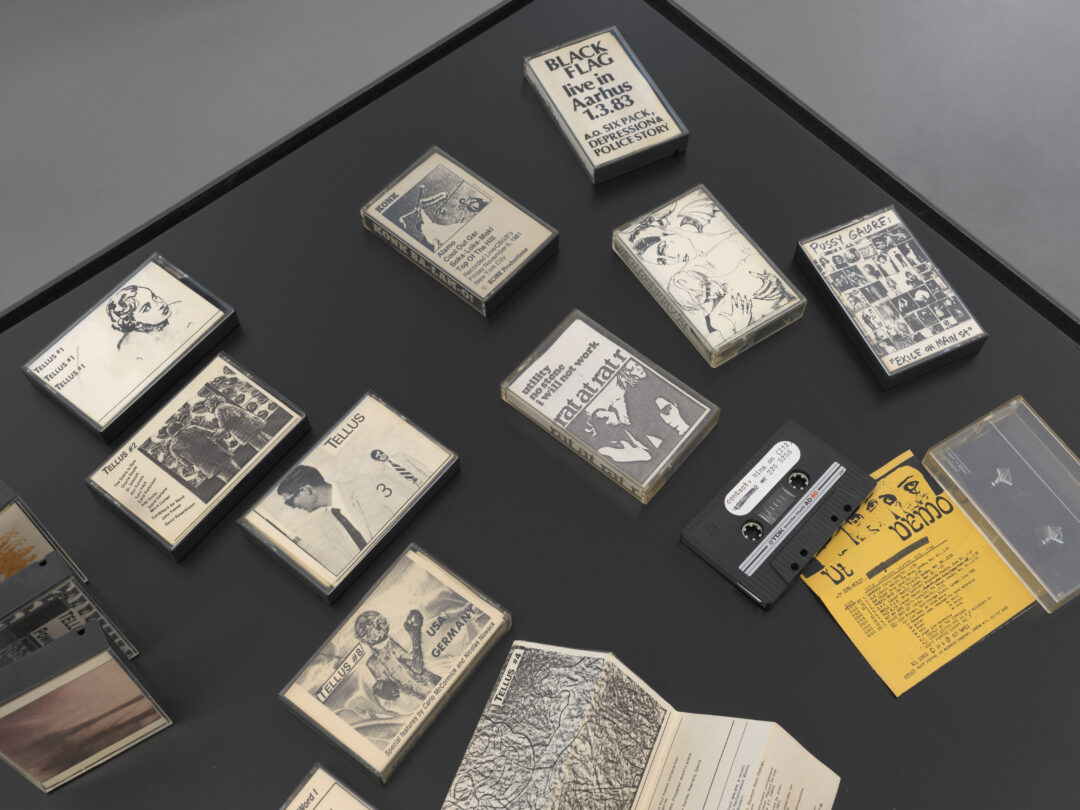
La Grenette, the Ferme-Asile’s experimental space in Sion, presents 11,000 VOLTS by Catherine (1956-2023) and Nicolas Ceresole (born in 1954). The exhibition brings together 126 photos and numerous archives retracing their musical journey from New York to Rolle, with a focus on New York clubs and European stages. In 1979, Catherine and Nicolas Ceresole moved to New York, where the former photographed the post-punk music scene, while the latter recorded concerts and collected vinyl records. Their immersion allowed them to collaborate with major artists such as Sonic Youth and Lydia Lunch. Catherine’s expressive, grainy photographs capture the intensity of little-documented concerts and highlight the DIY (do it yourself) ethic and artistic spontaneity. The archives bear witness to an ongoing musical engagement between New York and Europe. The prints, made on 310 g Canson Platine Fiber paper, were exhibited at the Swiss Cultural Center in Paris in 2013 during the exhibition “Catherine Ceresole. Other Music”; they come from the Nicolas Ceresole collection.
Focus 7: Off-Screen and Fanfares: subversive echoes at the Sound Biennial
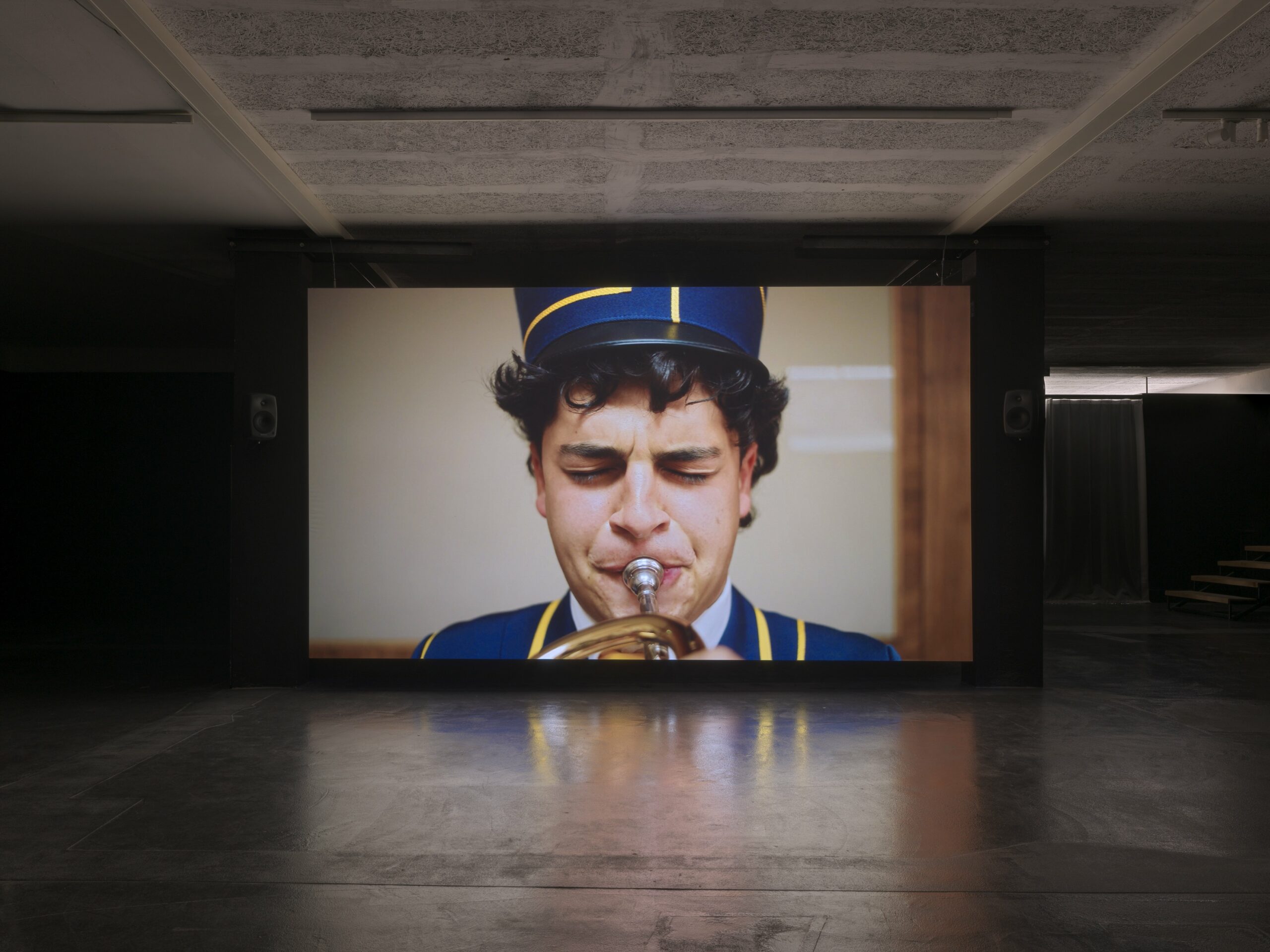
In this second Sound Biennial, Stan Douglas’s Hors-champs (1992) and Annika Kahrs’s Fanfares (2024) engage in a dialogue with memory and subversion through sound. The Canadian photographer’s double-projection installation, Hors-champs, revisits a free jazz concert by Albert Ayler, capturing the raw energy of the 1960s to question racial and political struggles. The syncopated, deconstructed sounds resonate like an archaeology of resistance, transforming the space into a place of historical friction. Fanfares (2024) by Annika Kahrs, meanwhile, subverts the codes of Valais brass bands, mixing brass instruments and silences in a collective performance that disrupts the solemnity of local traditions. These two videos weave a poetics of disorder: Douglas exhumes past struggles while Kahrs reinvents the present. In Sion, Hors-champs and Fanfares bring the margins to life, inviting us to listen to the dissonant voices of a reinvented Valais.
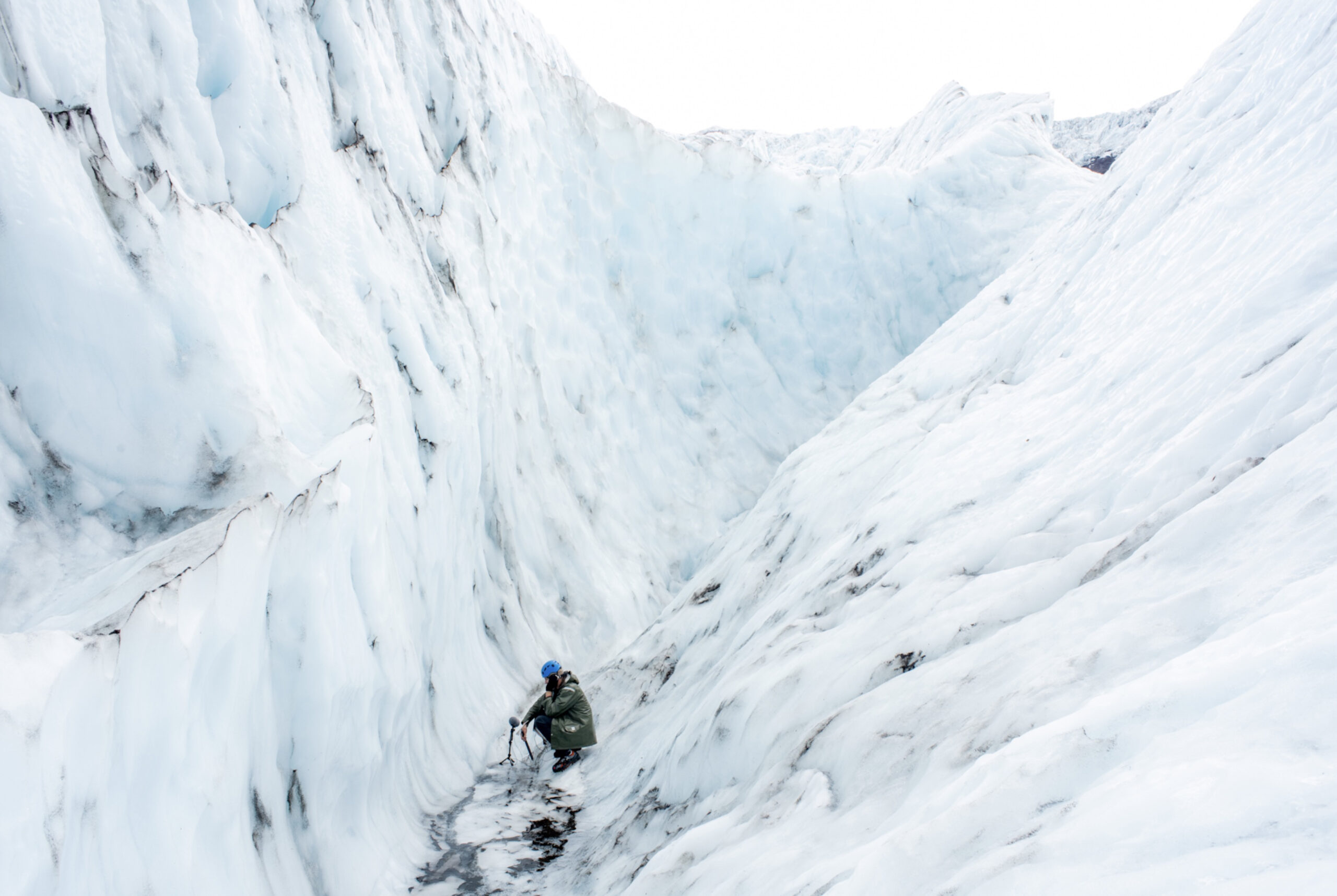
Head image : Soundwalk Collective, Stephan Recording in Iceland. Photo : Aleph Molinari.
- Share: ,
- By the same author: David Claerbout, Walter Swennen, Laurent Proux, Josèfa Ntjam, Michel François ,
Related articles
Pauline Curnier Jardin
by Sarah Matia Pasqualetti
Larissa Fassler
by Agnès Violeau
Nicolas Momein
by Patrice Joly